🔥 Get 30% OFF at Wildsuits – use code "BORA30" 🔥

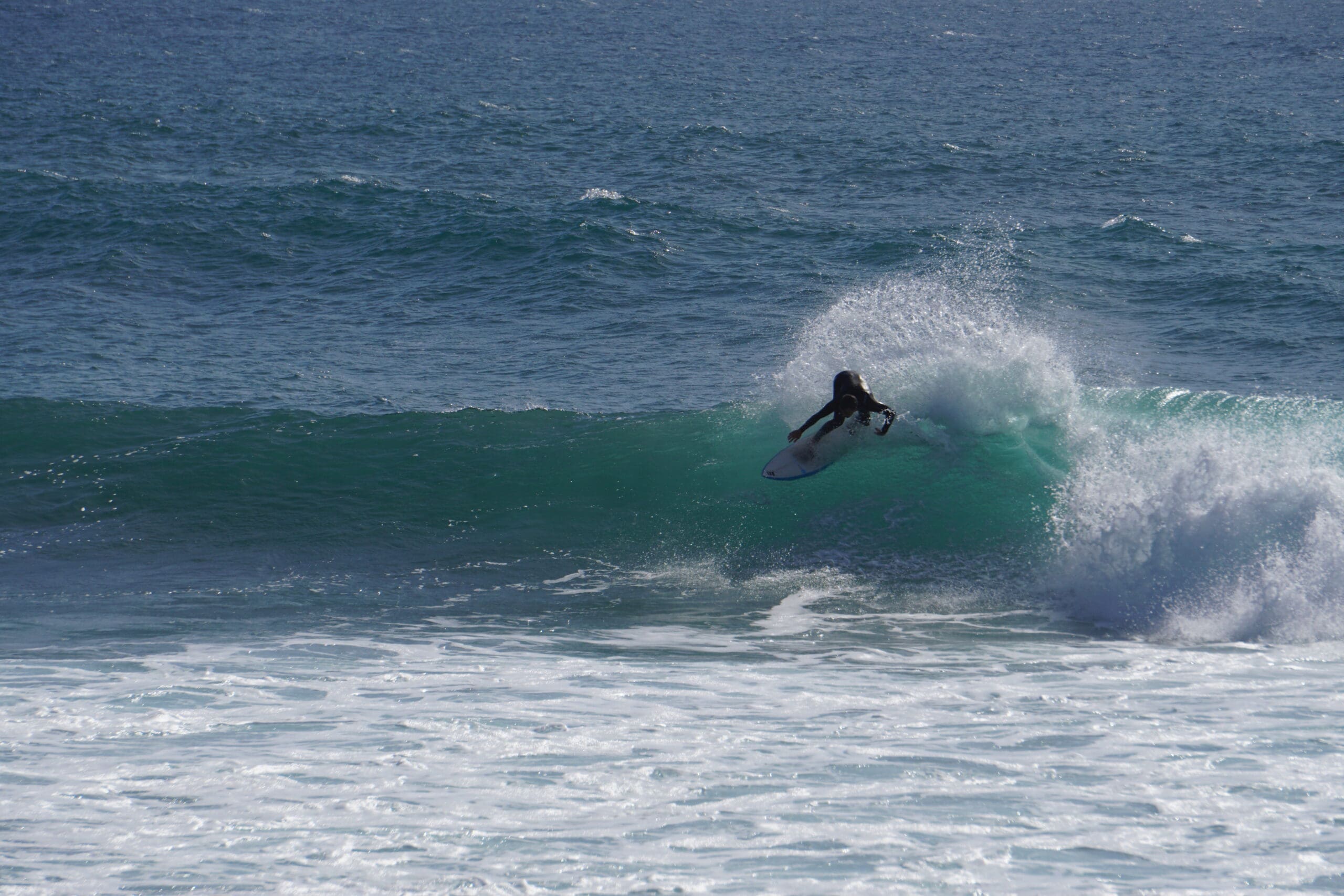
Hey, what’s up! Today, let’s chat about tides and surfing. If you’ve been surfing for a bit, you know tides play a big part in how good your session might be. Ever wondered why? Well, let’s break it down without making it sound like rocket science.
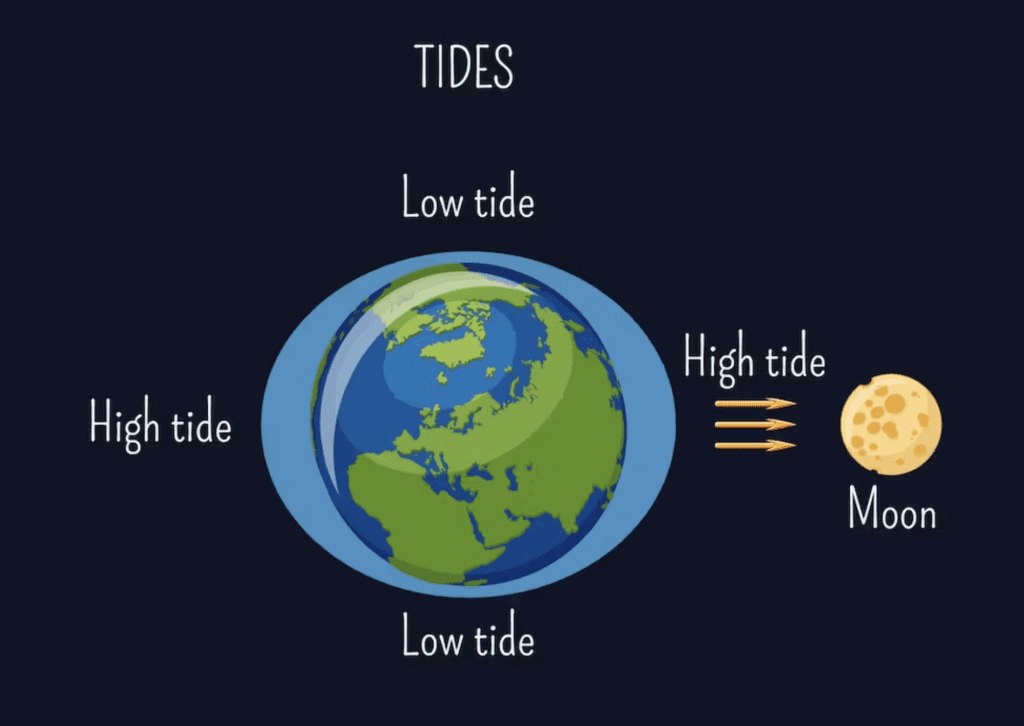
Simply put, tides are like the ocean’s breathing pattern – sometimes it breathes in (high tide) and sometimes it breathes out (low tide). The moon’s gravity pulls at the Earth, making the ocean bulge out towards it. That’s your high tide. On the opposite side of the Earth, you get another bulge, thanks to the Earth and moon spinning together. So, at any given time, there are two high tides and two low tides happening across the globe.
Though the sun’s also doing its bit, the moon’s the main player because it’s way closer to us. When the sun and moon line up with the Earth (think full and new moons), they team up to give us spring tides – that’s when high tides get really high, and low tides get really low. Neap tides? That’s when the sun and moon chill at right angles to each other, making the tides milder.
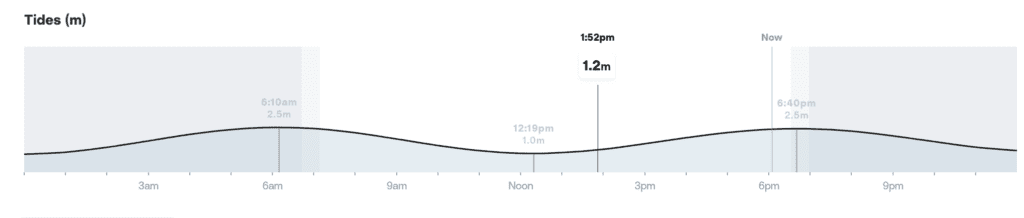
Tidal charts show when and how high or low the tides will be. They might look a bit complicated with all their lines and numbers, but they’re basically telling you when’s a good time to surf. The charts predict the times for high and low tides and how high or low the water will be. Since the moon takes a bit longer than a day to go around us, each day’s tides happen about 50 minutes later than the day before.
Depending on the zone, tides will have a different impact. In Britanny in France, the difference between high and low tide is about 10 meters… while only 3 meters only in Portugal !

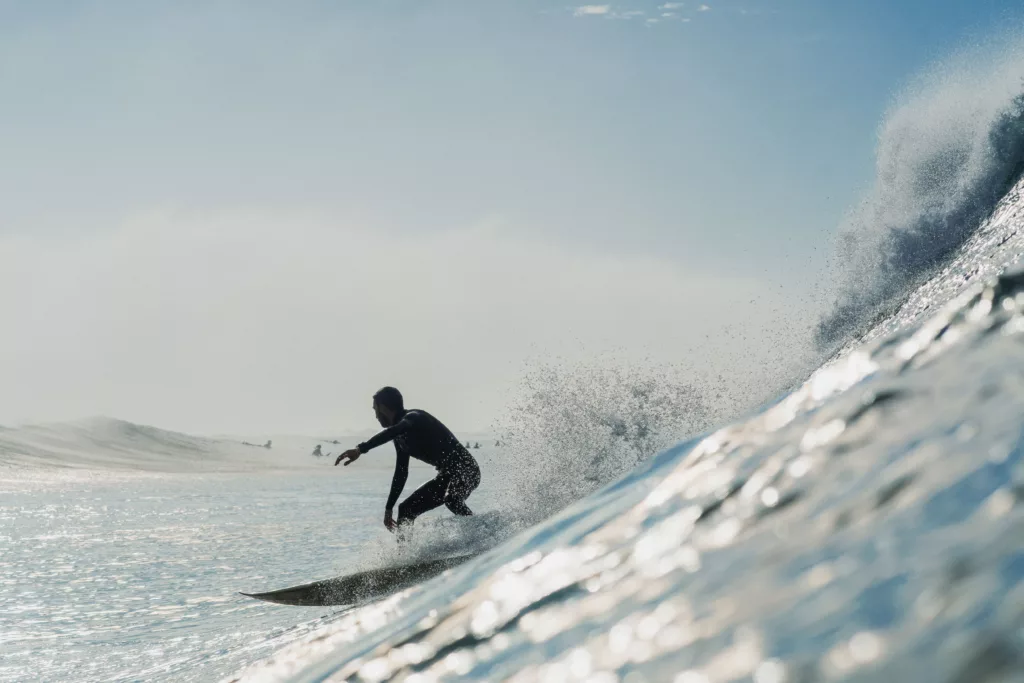
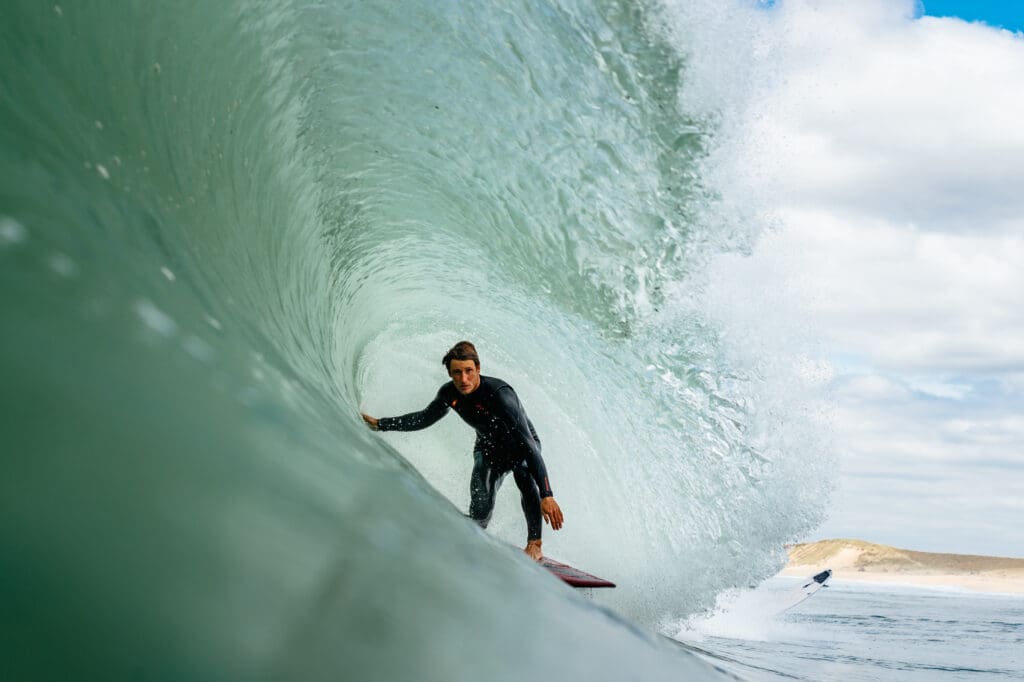
High tide means more water over the reefs or sandbars, making waves slower and less steep – nice and mellow. Low tide? Less water, so waves can break faster and harder, maybe even barrel. But, it’s not one-size-fits-all; each surf spot reacts differently to tides. Some spots work best at high tide; others need low tide to really shine.
Getting the timing right can make a big difference. That’s why checking the tidal chart before you head out is a smart move. It can mean the difference between scoring awesome waves or just sitting around waiting for something to happen.
Understanding tides isn’t just for boating folks or fisher people; it’s key for us surfers too. It helps us figure out the best times to surf at our favorite spots. So next time you’re planning a surf, take a quick look at the tidal chart. It could turn a good surf day into an epic one.
You want to learn more about tides, you can check the video below:
And hey, if you’ve got any questions or need a few tips, Borasurfar’s always here to help. Catch you in the water!